
Number of cups dumped in Thames doubles in 'plastic pandemic'
By The Editor 14th Mar 2021


A lot has been written about how air quality has improved over lockdown, as people haven't been using their cars as much to get around.
But that doesn't mean the pandemic has been good for the environment across the board.
More single-use plastics are being used by takeaways now to try and stop the spread of coronavirus when serving food and drinks.
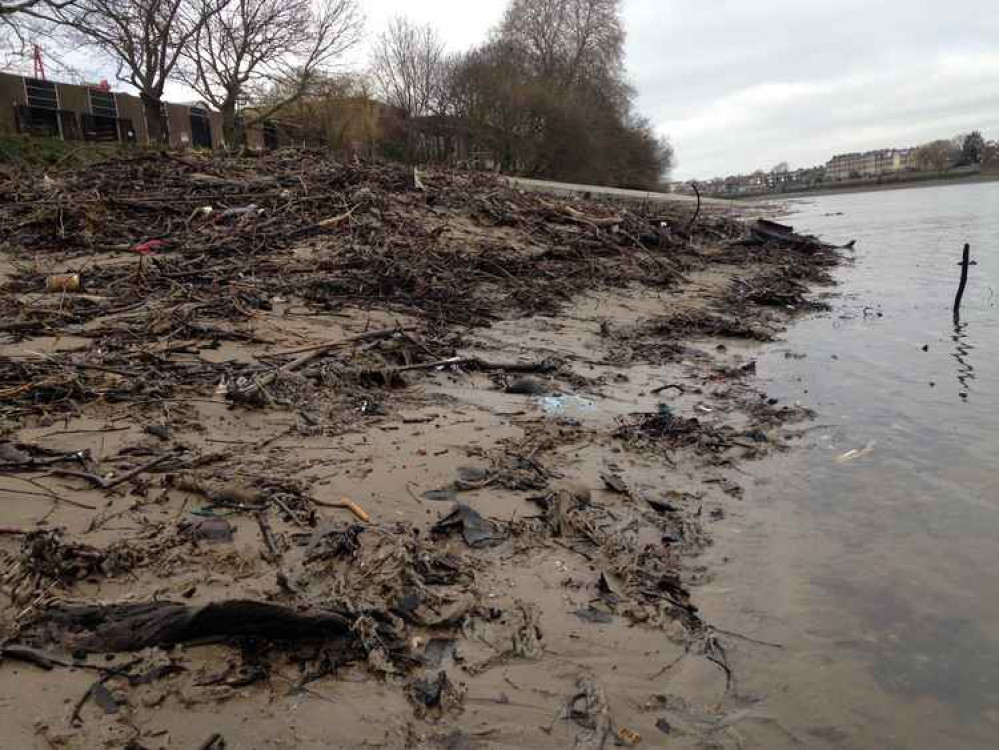
This is causing a "massive issue" in the Thames when people don't put them in the bin.
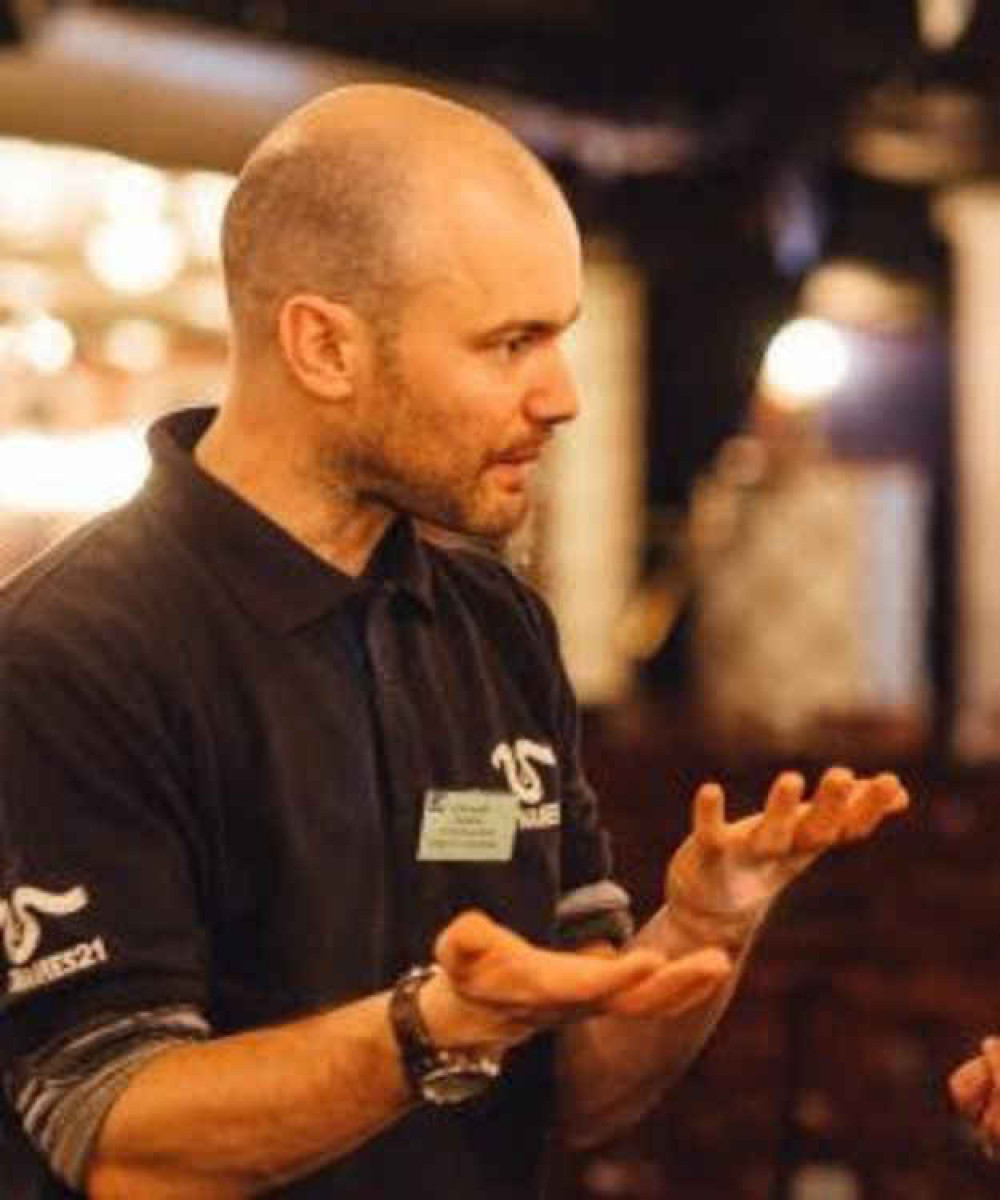
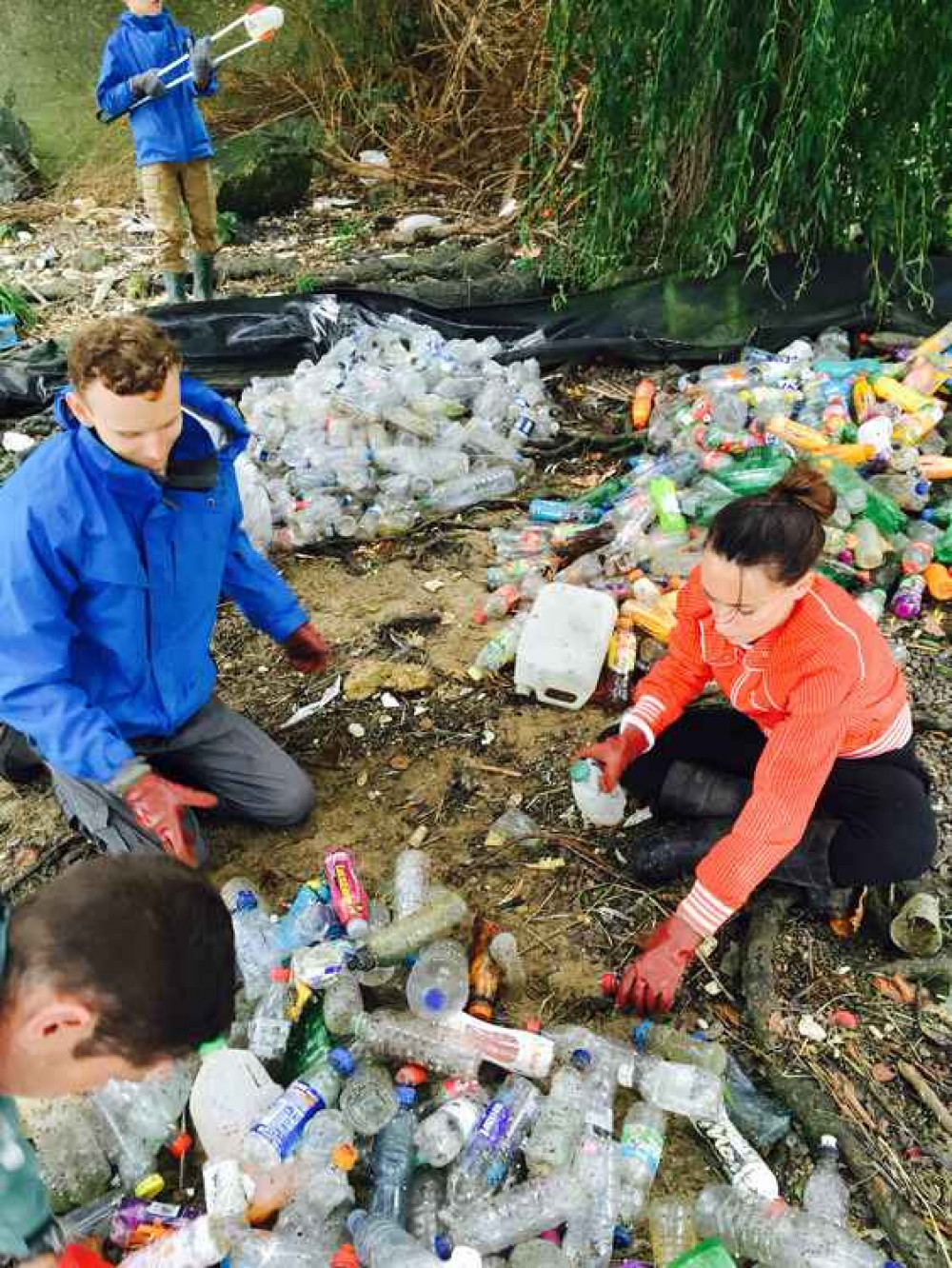
AJ McConville, coordinator of Thames21's plastic monitoring programme, says: "More than 1,600 cups were recovered in three months, just from clean-ups in West London.
"That was twice as many as the same period the year before. That's really significant because the pubs had been closed for quite a long time before then, they only started to reopen in July and they went straight into using single-use again."
He describes the situation as "disheartening".
"We have a plastic pandemic. It's easy to become a little bit resigned, which is not a good idea. But it is frustrating," he says.
Download our Nub News App!
- It’s FREE and available now- Breaking news notifications
- Your Town in Your Pocket


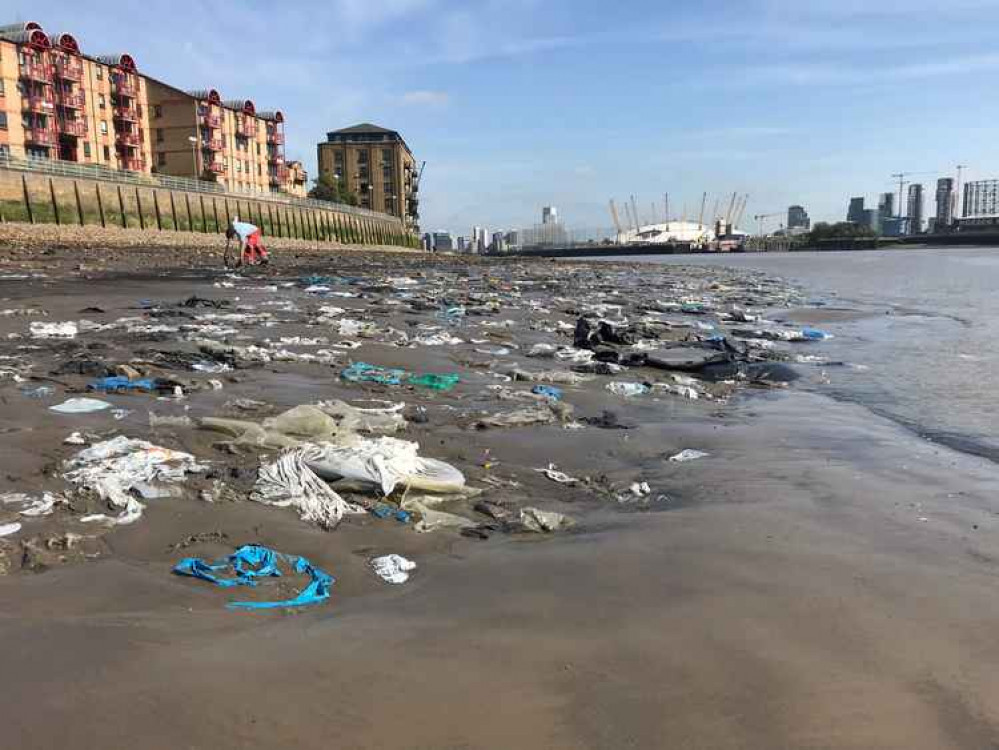
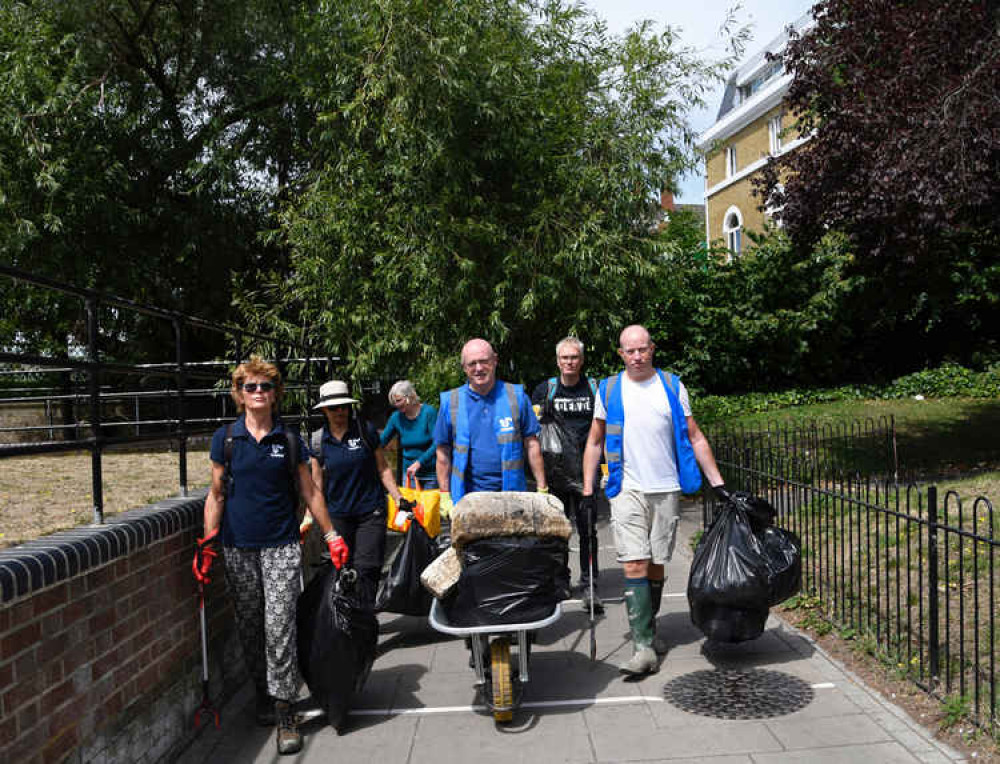
Before Christmas the charity's staff walked a kilometre of foreshore and found an average of 322 pieces of plastic per 100m surveyed.
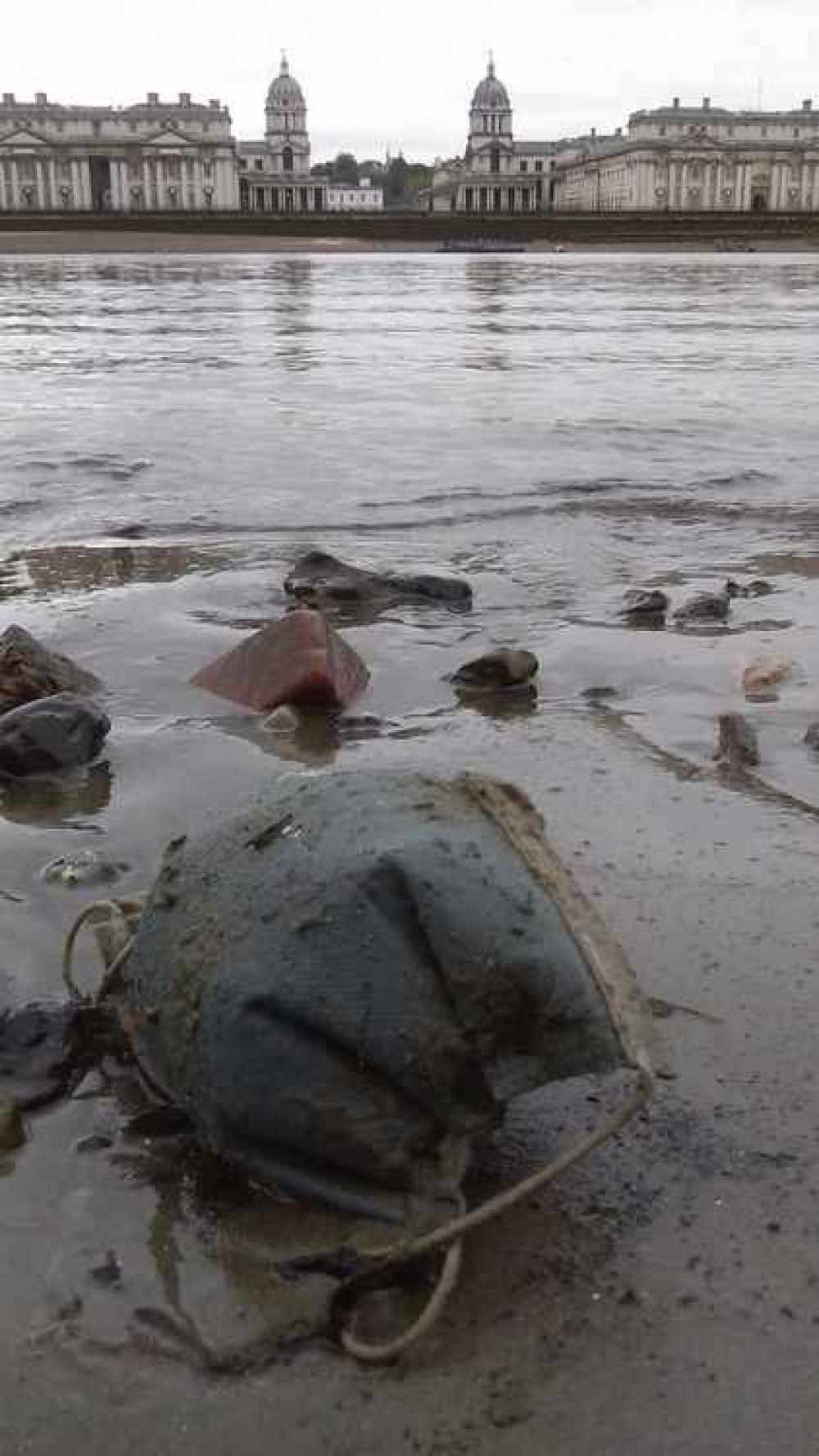
This also included covid-related PPE, such as discarded gloves and masks, which were found at about 70% of the stretches, averaging about six items per 100 metres.
In the current lockdown, the bigger issue has been around takeaway coffee cups people have been drinking from while walking along the Thames path.
Bins can fill up very quickly and cause the problem of 'careful littering' where people leave their cups stacked up against the bin when it is overflowing.
"It's still littering," says AJ. "It's still exactly the same crime.
"That's been the big issue. Just in one day, walking from Barnes to Hammersmith Bridge, they found 500 coffee cups on the towpath just in the space of an hour."
AJ stresses that discarded coffee cups and plastic bottles can easily get blown into the Thames, where they are broken into microplastics that can cause lots of damage to wildlife.
"The Thames is really brimming with life. Now 125 different species of fish have been recorded there. We get seals, porpoises, dolphins, and even seahorses were discovered about 10 years ago.


Richmond and Wandsworth councils have also been working with the charity to prevent littering.
Richmond, for example, recently added extra bins along the towpath, while Wandsworth has increased bin emptying to four times a day on the Putney Embankment. But people are still littering. "It's not an easy one to resolve," said AJ.
Download our Nub News App:
- It’s FREE and available now
- Breaking news notifications
- Your Town in Your Pocket


Share: